
Small Finds #5
The Govan Stones

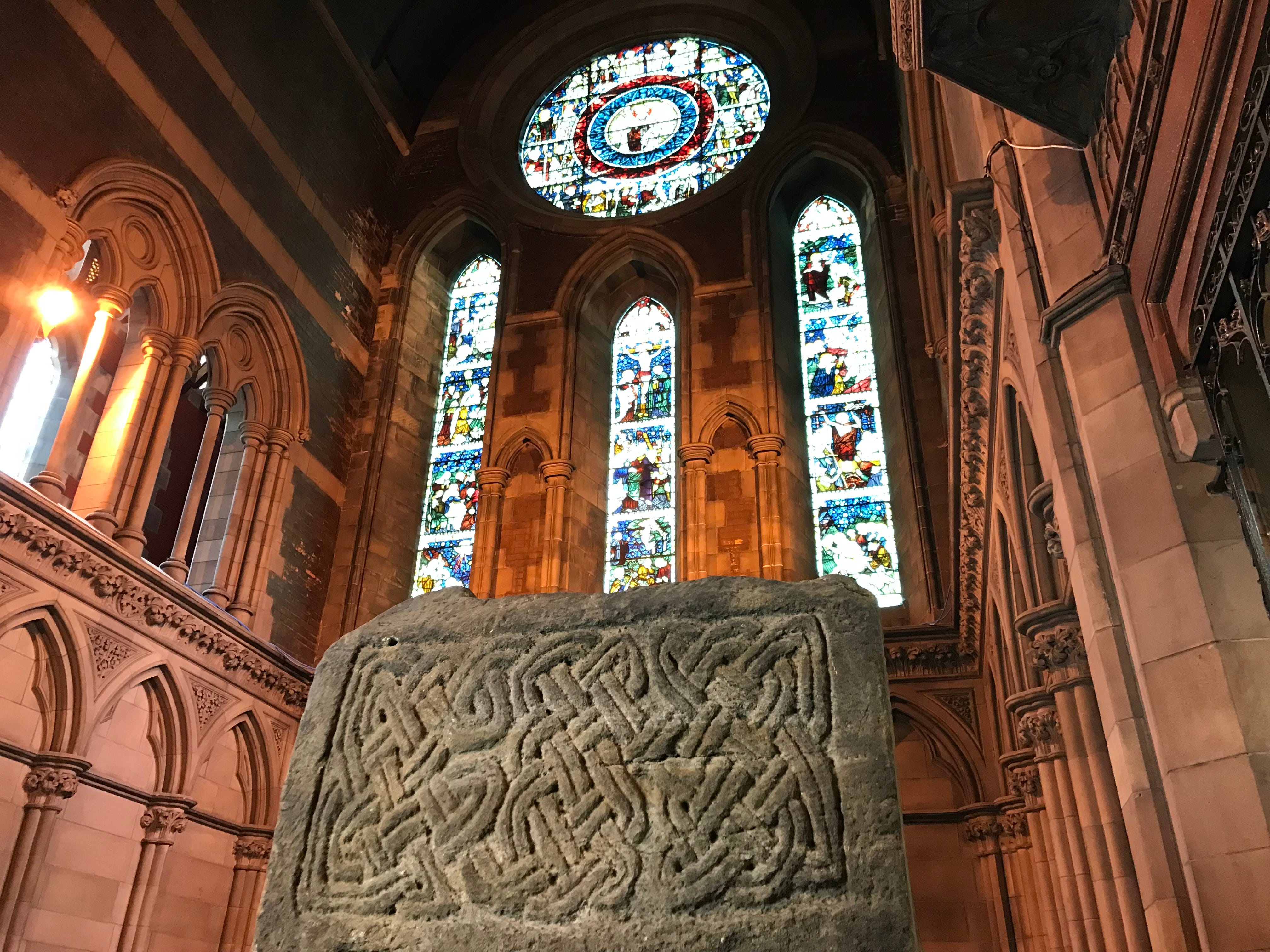
Friday morning in Govan Old. Eleven gathered for the word of God. Christine, in a yellow anorak, played ‘Nimrod’ on the organ. A pigeon flew up the nave.
The bird had the church to itself. We were in a side chapel. It would be daft otherwise; so few in such a big space. Even in the chapel, there was bags of room.
Robert and Cathy had said hello before the service. Govanites through and through. ‘We’ve been members eight-four years,’ he told me. ‘Christened and married here.’
Govan Old is a Victorian building, the latest in a series of churches to have stood on this south bank of the Clyde since the 6th century. Those were the early years of Christianity in this part of Scotland, the beginning of the faith. Attending church here now, with its elderly worshippers, is to feel you are witnessing the end. But not quite the end. On a stand next to the lectern, a white stump of candle gave a frail and guttering light.
Prayers. Hymns. A reading from Mark. Round the walls, I noticed, were some very old stone crosses. And just outside the chapel was one of the rarest and most remarkable historical objects in Britain: a stone sarcophagus, elaborately carved. Current thinking is that this held the body of St Constantine, a Pictish king who died in battle against Vikings in 876. It was found by gravediggers in the churchyard in 1855 and brought inside a few years later; it is hoped that excavation may yet locate the lid, which could confirm its former occupant.
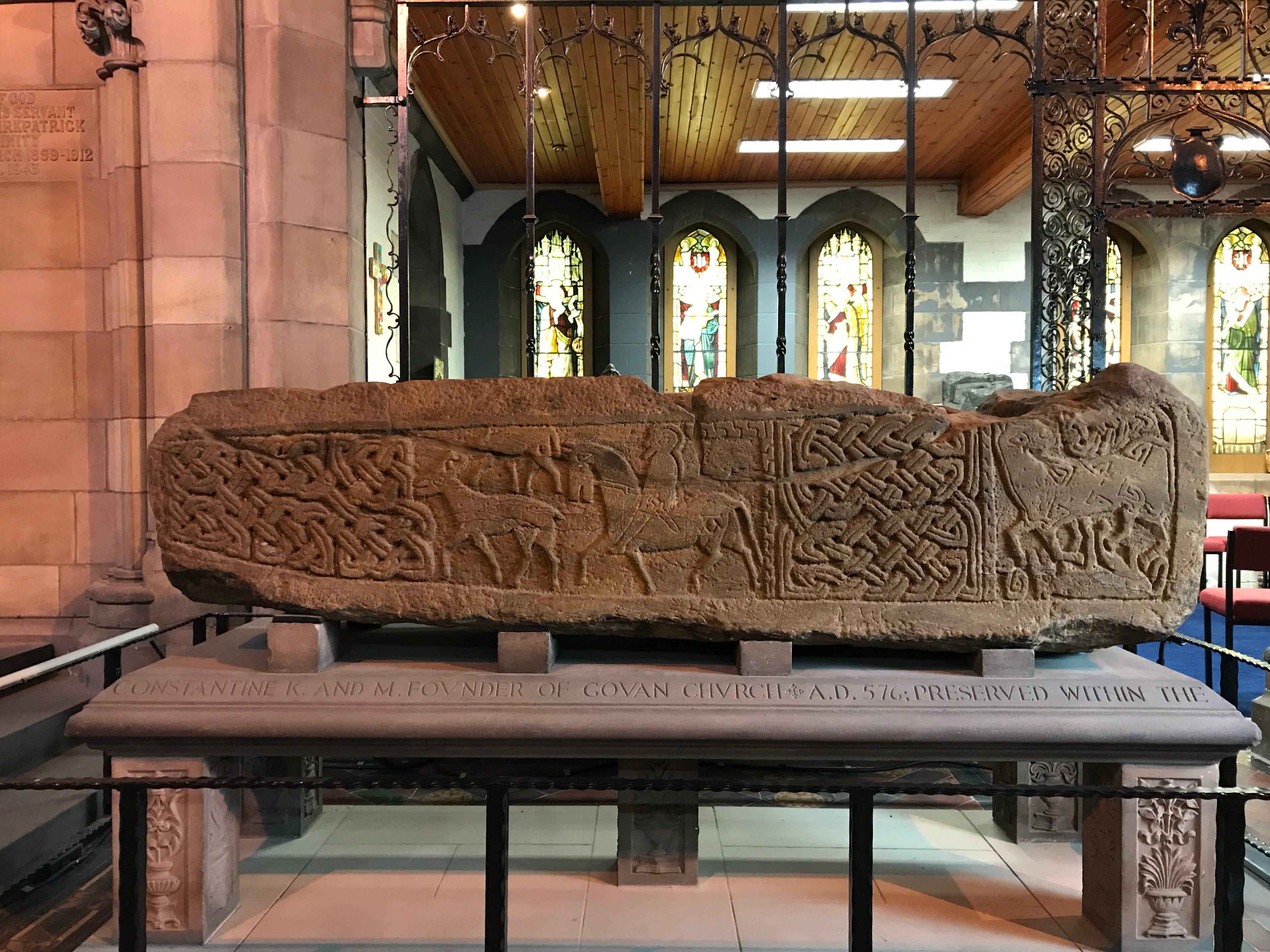
Govan Old’s collection of stones is nationally important. They are why the church is open to visitors between April and October. This is one of Glasgow’s magical places. That’s if Govan counts as Glasgow; it has its own identity, energy and spirit, and only became part of the city in 1912. ‘Govan has experienced two eras of greatness,’ the archaeologist Stephen Driscoll has written, ‘which is two more than most places.’ The shipbuilding boom years, he means, and the period from around 900 to 1100 when this seems to have been the political and religious centre of the kingdom of Strathclyde.
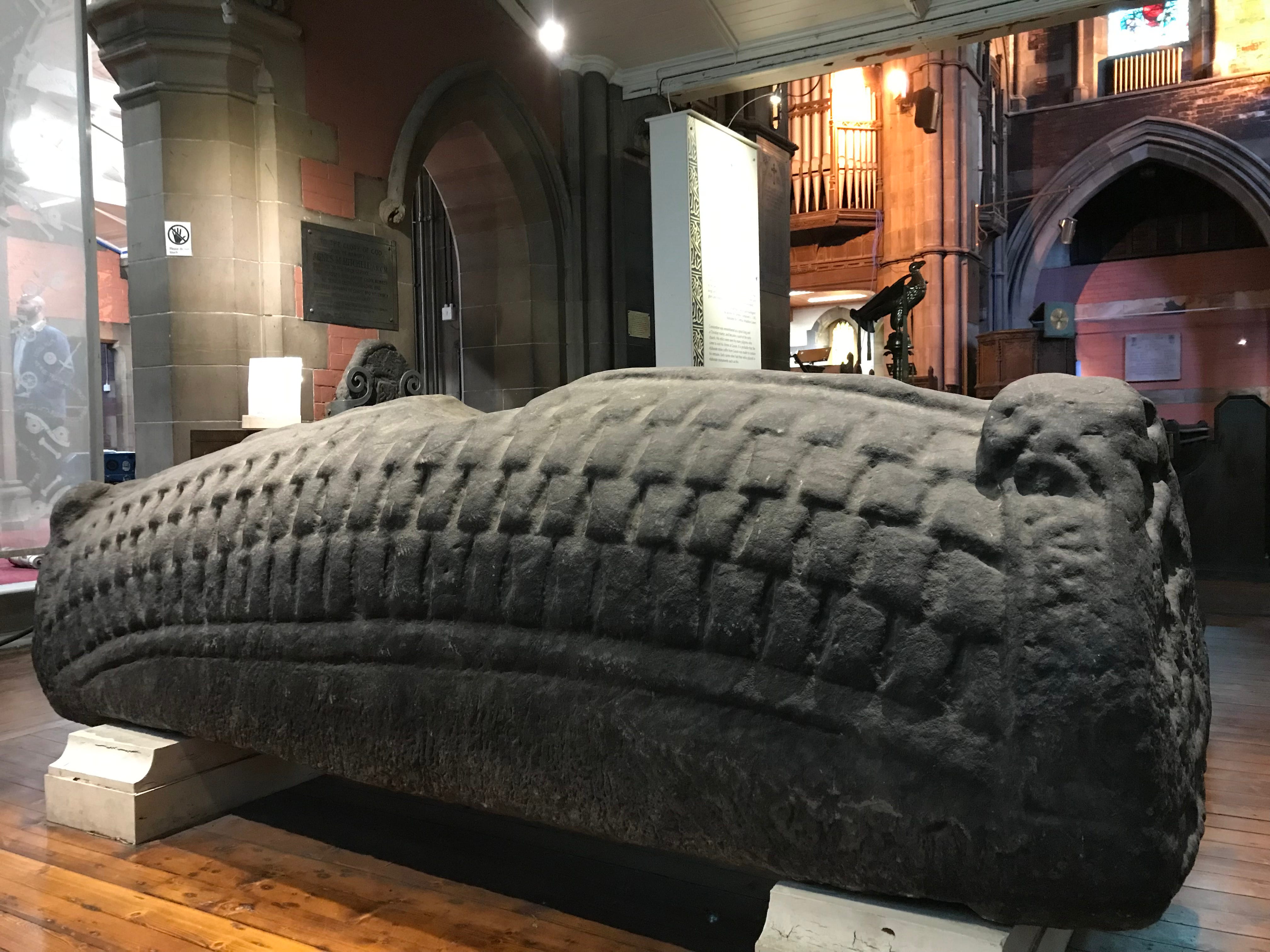
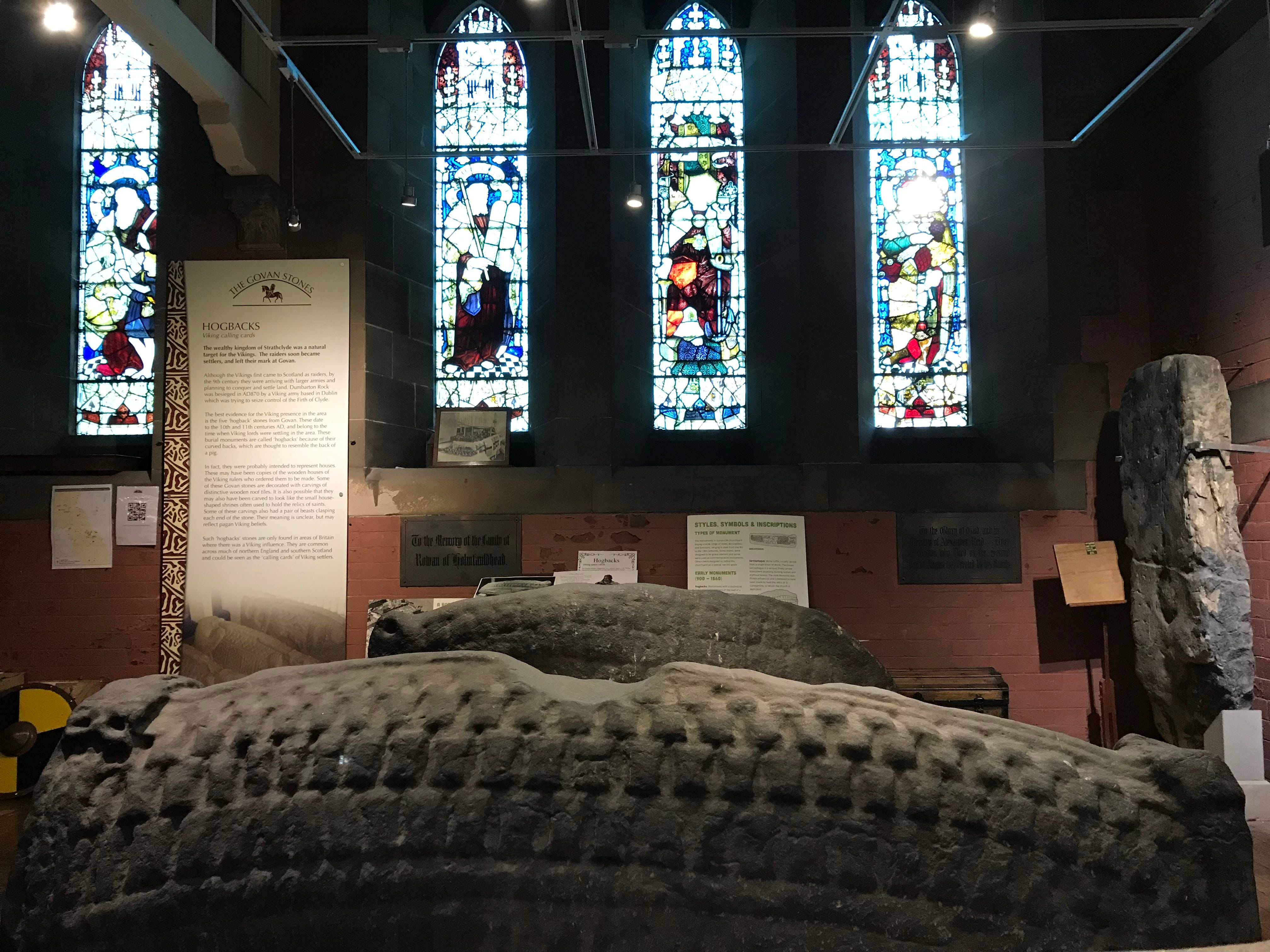
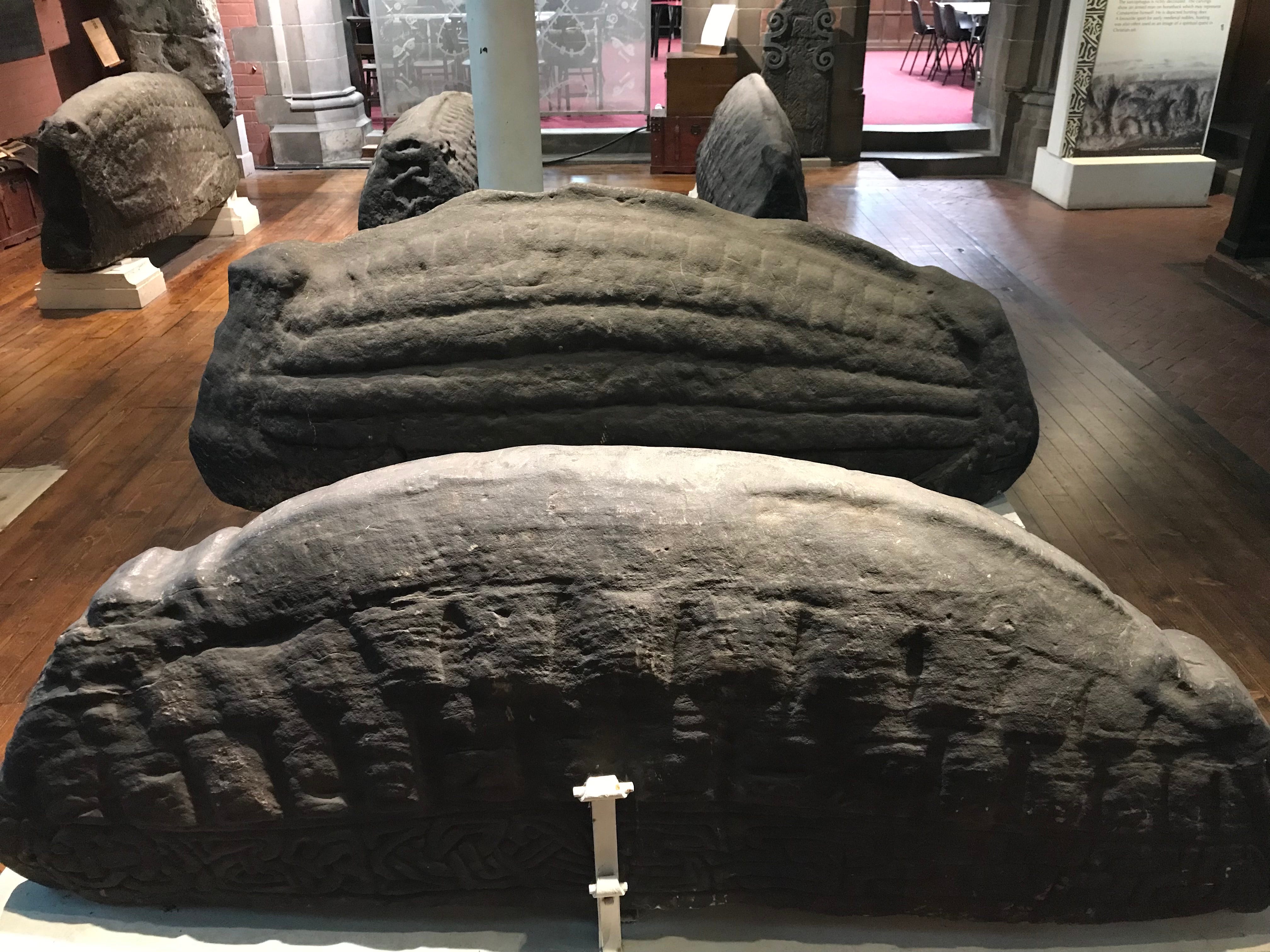
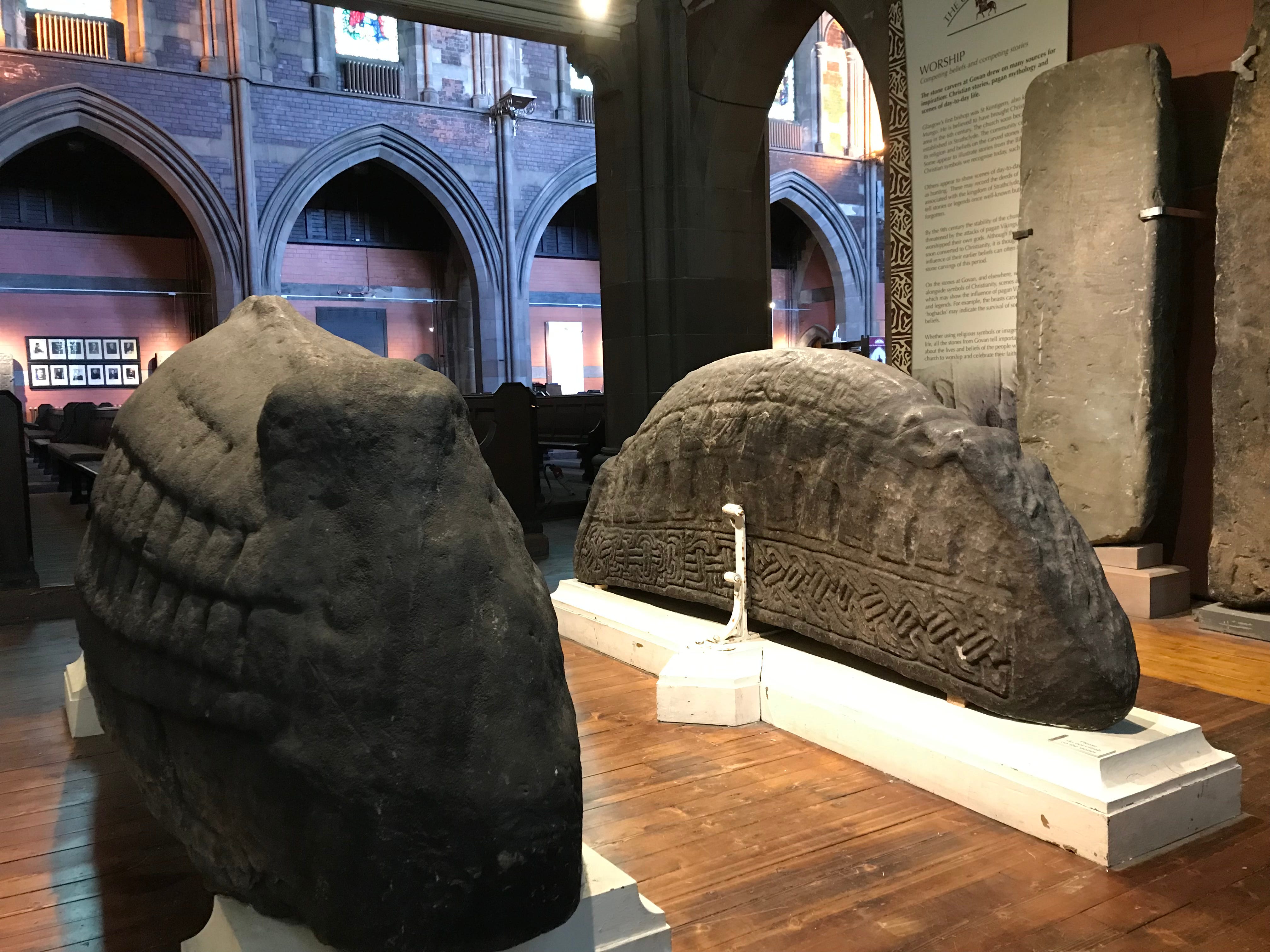
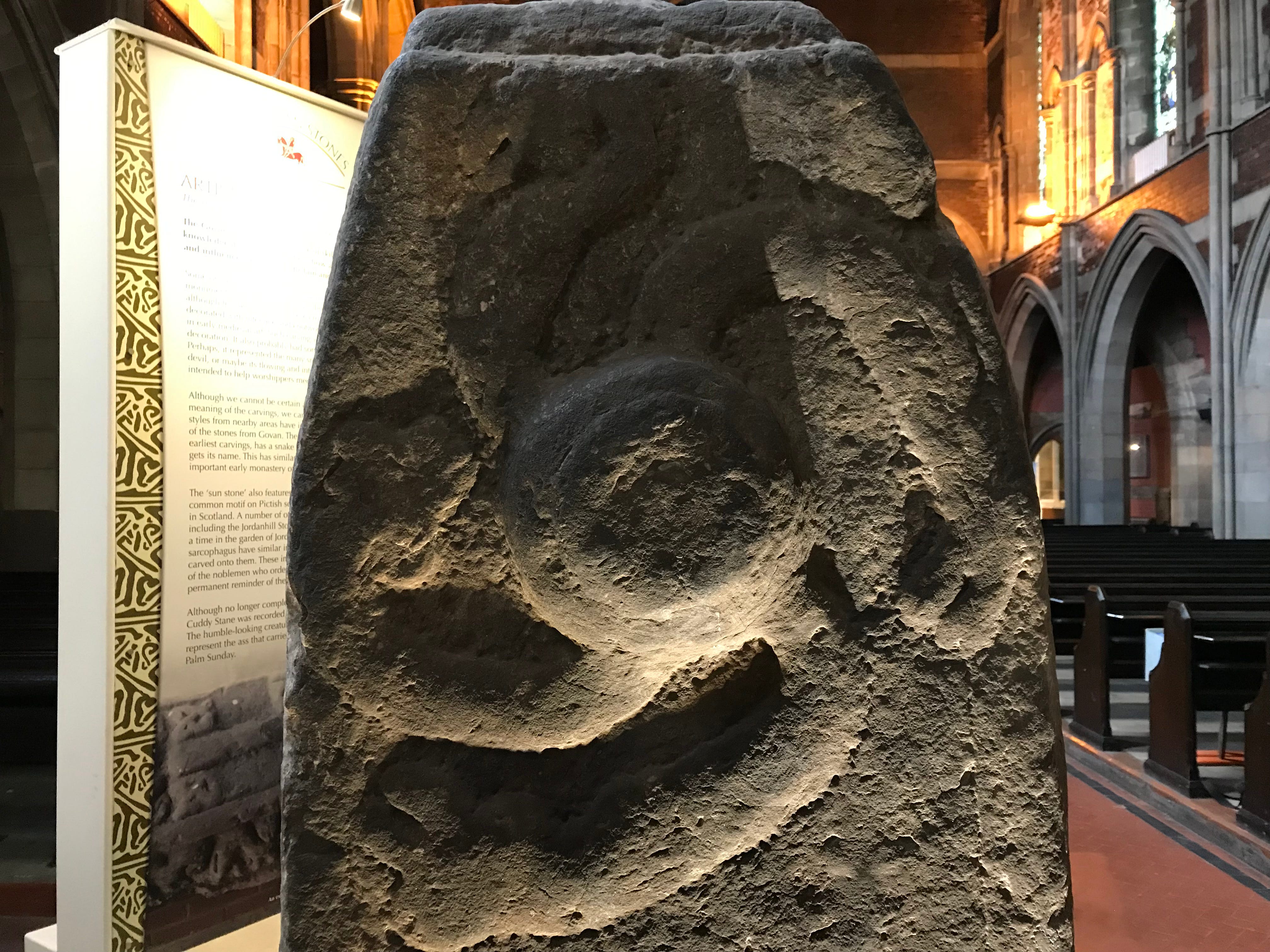
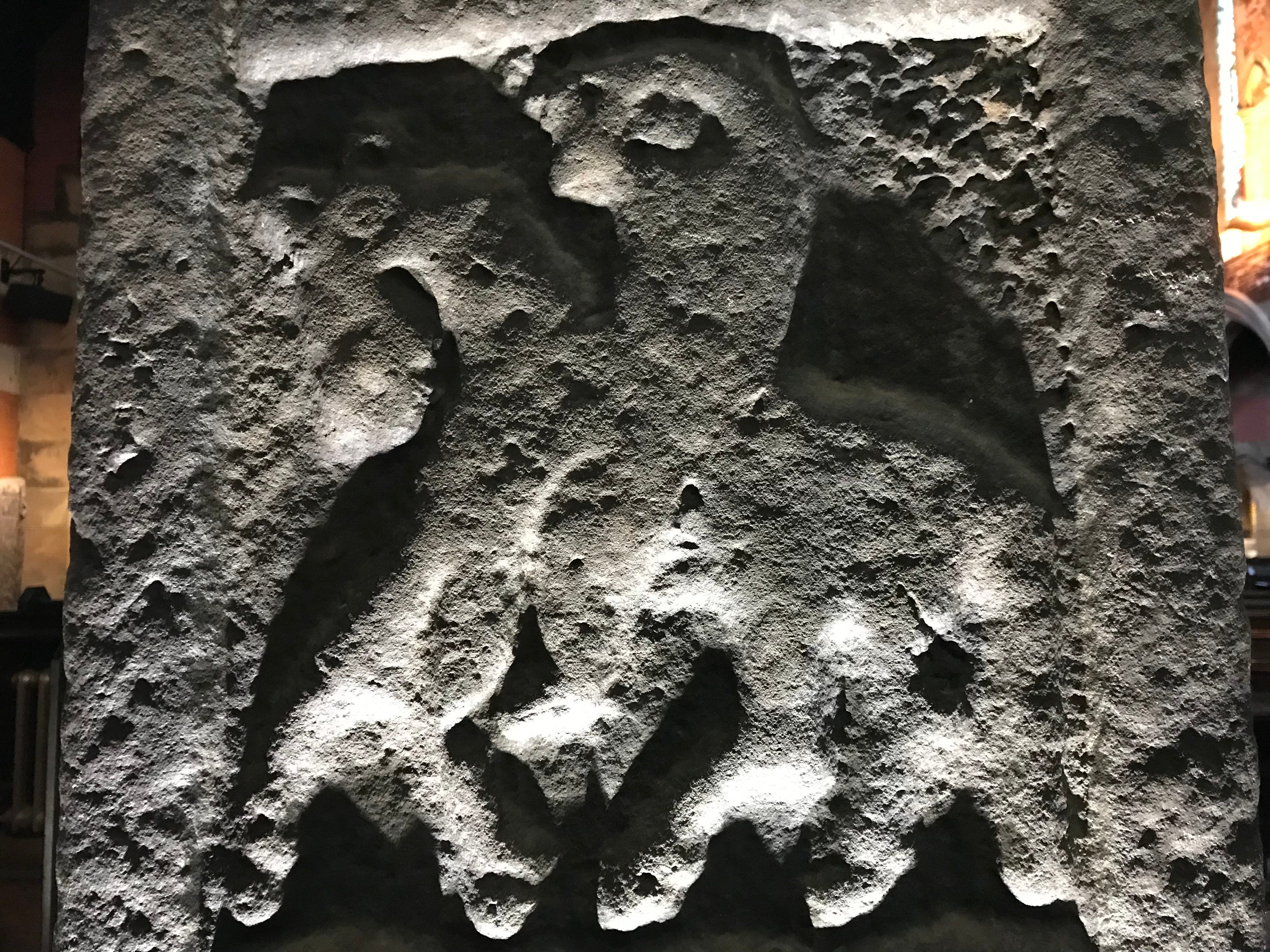
The stones date from then. There is the Sun Stone and the Cuddy Stane and the Govan Cross – the sculptural shafts of crosses that once stood in the churchyard. But my favourites are the hogbacks. There are five of them. They are around seven feet in length and may have marked the graves of kings. The name comes from their supposed resemblance to pigs or wild boar, although there is a theory that they were intended to look like Viking-style longhouses. For me, though, there is something unsettling and cocoon-like about them. When will they hatch? And what unfledged beasts will scuttle forth?
After a closing prayer, members of the congregation were in no rush and stayed for a cup of tea. Bill Grieve, a layman who had led the service, noted that there had been worship on this site for 1500 years, before Scotland was Scotland, and he felt a duty to keep it going for as long as he could.
‘But we will be the last,’ he said. ‘There is no-one following on.’
I really need to visit Govan Old - these stones are magnificent.
Thank you so much for your beautiful writing about Govan Old and of the prayer service on a Friday. Isn't it telling about our times that after 1500 years of worship, only a frail prayer service is left at the site that has now become a museum? Thanks again for embedding this thought into your text.